Signs Your Rockledge, FL Home May Need Professional Soft Washing Instead of Pressure Washing
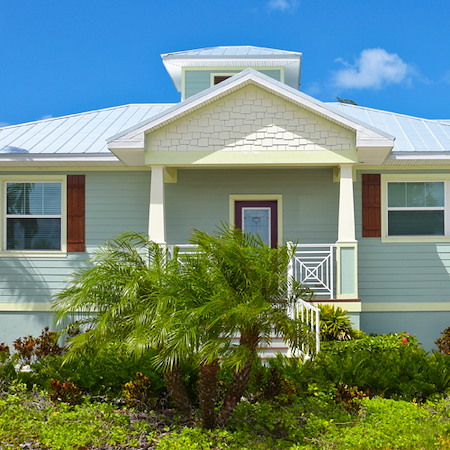
In Rockledge, warm afternoons, sea breezes, and summer rain create a perfect recipe for algae and mildew on stucco, vinyl, and painted block. If you’re noticing stains or streaks, your home may be a better fit for a gentle approach. Before you book, learn the telltale signs that point to soft washing, and when traditional pressure washing still makes sense. If you’re ready to refresh curb appeal now, explore our professional house washing service to see how a low-pressure clean can protect your exterior.
What Is Soft Washing vs Pressure Washing?
Both methods clean your exterior, but they do it differently. Pressure washing relies on higher water force to blast away surface grime on tough materials like concrete. Soft washing uses targeted cleaning solutions and low pressure to loosen and rinse away organic growth on more delicate surfaces. If you want a simple way to remember it, think of pressure as muscle and soft washing as chemistry.
For a deeper overview, you can compare soft washing vs pressure washing approaches and decide which one aligns with your home’s surfaces and current condition.
Clear Signs Your Home Needs Soft Washing
Walk around your Rockledge home and look for these common cues. If you notice several, soft washing is likely the safer, longer-lasting choice for your siding and trim.
- Green algae film or dark mildew blotches on stucco, EIFS, or vinyl panels, especially on the north or shaded sides
- Black streaks under window sills, soffits, and around downspouts where moisture lingers
- Chalky residue on painted aluminum or Hardie board that rubs off on your hand, a sign of oxidation
- Hairline cracks in stucco or around sealant joints that could let high-pressure spray force water behind the surface
- Fresh paint or older, sun-brittled coatings that could peel if hit with strong pressure
- Screen enclosures, lanais, and pool cages with algae webs or pollen dust that need a gentle rinse
Warning: High pressure on delicate cladding can drive water into seams and cause costly repairs. If you see any of the conditions above, avoid aggressive spray and choose a controlled soft wash that treats the growth and protects your finishes.
Why Rockledge Homes See More Organic Growth
Between the Indian River Lagoon and the Banana River, our coastal air carries salt and moisture that feed algae and mildew. Afternoon thunderstorms and shade from mature oaks and palms also keep surfaces damp longer, particularly in neighborhoods like Levitt Park, Viera East, and along the Fiske Boulevard corridor. When moisture meets porous siding or textured stucco, growth digs in and spreads.
Soft washing breaks the cycle. The solution targets algae at its source so stains rinse away at low pressure. That’s why you’ll often see better, longer-lasting results on siding from a properly applied soft wash compared to a quick blast with high pressure.
Surfaces Around Rockledge Best Suited for Soft Washing
Some materials can handle pressure. Many cannot. These are the exterior areas that typically benefit most from a soft wash in our climate:
- Stucco and EIFS with hairline cracking or textured finishes
- Vinyl siding and painted fiber cement panels
- Soffits, fascia, gutters, and detailed trim
- Screen enclosures, lanais, and porch ceilings
- Painted wood accents, shutters, and columns
Tip: If your siding leaves chalk on your fingers, that oxidation can streak when hit with strong pressure. A controlled soft wash and careful rinse help keep finishes even.
When Pressure Washing Still Makes Sense
There are spots where higher pressure is the right tool. Driveways, brick pavers, curbs, and some masonry often need more force to lift embedded grime. Many homes get both methods in a single visit: a soft wash for vertical and painted surfaces, and firmer pressure for flatwork. If you’re also seeing black streaks or lichen on shingles, pair your project with safe roof cleaning that uses a low-pressure method designed for roofing materials.
Soft Washing vs Pressure Washing: How Pros Decide
Every home is different, but the decision usually comes down to three checks:
Material: Is it painted, coated, or porous? If yes, soft washing is safer. Concrete and brick usually tolerate pressure better. Condition: Are there cracks, open joints, or oxidation? If so, reduce pressure. Goal: Are we removing organic growth or etching away mineral stains? Soft washing targets algae; higher pressure addresses stubborn surface buildup on hardscape.
A thorough tech evaluates the age of paint, the type of siding, and any weak points around windows and transitions. Landscaping also matters. The process should include plant protection, pre-rinsing, and a full post-rinse to leave shrubs and turf in good shape.
House Washing Process You Can Expect
Professional house washing is methodical, not rushed. First comes a visual inspection to confirm materials and note sensitive areas like outlets, light fixtures, or hairline stucco cracks. Landscaping is pre-rinsed. A controlled solution is applied to target algae and mildew. After the dwell time, a gentle rinse carries away the loosened grime. Final checks make sure edges, corners, and seams look even and clean.
Curious how it all works together for curb appeal? Read the homeowner’s guide to house washing for a practical look at benefits you’ll notice right away.
Common Questions From Rockledge Homeowners
Most homes in our area do well with a house wash every 6 to 12 months. Shadier lots near water or under heavy tree cover may benefit from more frequent service to stay ahead of green film and mildew. Timing cleanings before long, wet stretches can help your results last.
Older or sun-brittled coatings are more likely to peel under force. That’s a strong signal for soft washing. The low-pressure rinse helps prevent lifting and keeps the finish even while still removing the organic growth that makes paint look tired.
Yes. It’s common to soft wash siding and trim, then switch tools for concrete flatwork. The key is matching the method to the surface. A good technician makes these changes throughout the visit so each area gets the right treatment.
Seasonal Realities in Rockledge, FL
Algae and mildew thrive here from spring through late summer when humidity peaks. Storm debris can shade surfaces, and afternoon showers keep walls damp. If you live closer to the river or on lots with heavy canopy, you’ll likely see growth return sooner on the north and east sides. Scheduling maintains the fresh look and keeps buildup from getting a foothold.
Why Choose a Pro for Soft Washing
Experience matters when the goal is clean surfaces without damage. A trained exterior cleaner understands water flow, runoff control, and how to guard door thresholds, electrical boxes, and window weeps. Misjudged pressure or the wrong approach can void paint or material warranties, which is why a careful plan and low-pressure application are so valuable.
If your main goal is a safer clean for stucco, vinyl, or painted block, our team can help you choose the right plan. See how we treat siding and trim with care on our house soft washing service page, then pick a time that works for your schedule.
Ready To Protect Your Home the Safe Way?
When stains, streaks, or chalky residue show up, your home is asking for a softer touch. Connect with BOOM Pressure & Soft Wash LLC to schedule a visit that matches the right method to each surface. Call us at 321-491-9478 and let’s plan a gentle, thorough clean. To get started, review our approach on professional house washing and book a convenient time.
Restore Your Property’s Curb Appeal Schedule a Pressure Washing in Palm Bay Today!